A DEI Calendar Is Your Secret Weapon for a Stronger Workplace
Imagine this
Sarah, a talented project manager, just celebrated Diwali with her family. Her manager, unaware of the holiday, schedules a major deadline over the weekend. Sarah shows up. She delivers. But she feels unseen.
Now imagine something different.
Her company uses a Diversity, Equity and Inclusion calendar. Her manager already knows Diwali is approaching. The deadline is adjusted. On Monday, the team acknowledges the celebration. Sarah walks into the meeting feeling respected, not overlooked.
That shift from accidental exclusion to intentional recognition changes everything.
What Is a DEI Calendar?
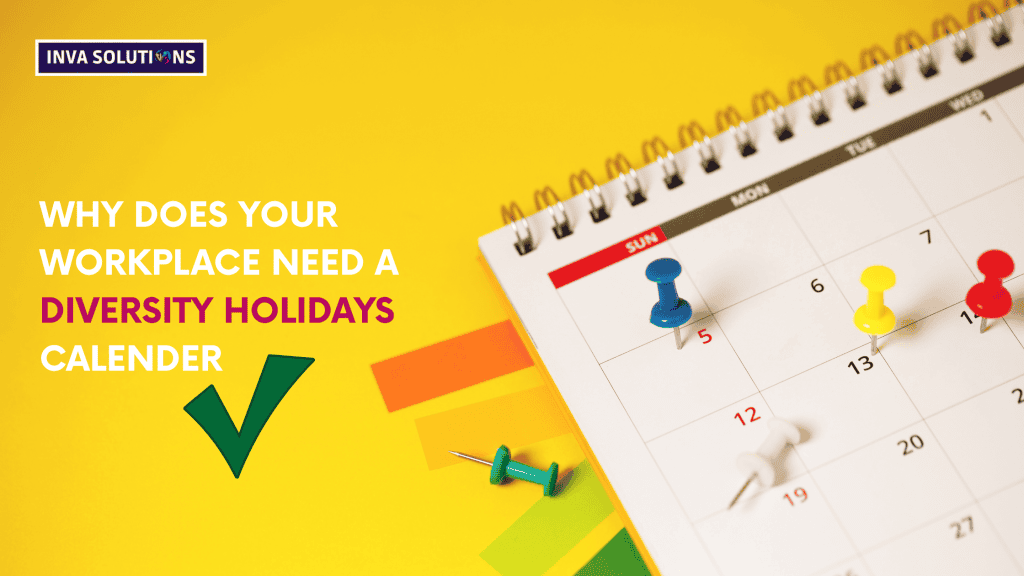
A DEI calendar is not just a list of holidays. It is a strategic planning tool that helps organizations embed inclusion into everyday operations.
It helps you:
Highlight key cultural, religious and awareness dates
Educate teams about diverse traditions and histories
Plan inclusive events proactively
Avoid scheduling conflicts with important observances
An effective calendar includes major global events like Eid, Lunar New Year, and Pride Month, along with heritage months such as Black History Month and Disability Pride Month. It reflects the real diversity within your workforce and signals clearly: you belong here.
Why a DEI Calendar Matters for Modern Workplaces
Many organizations speak about inclusion. However, fewer operationalize it.
As a result, a DEI calendar turns intention into action.
It strengthens employee engagement
When employees see their identities acknowledged, trust increases. People are more motivated when they feel valued, not tolerated.
It prevents unintentional exclusion
Awareness of cultural and religious observances reduces the risk of scheduling major meetings, launches, or deadlines during important celebrations.
It strengthens employer brand
Candidates today evaluate culture before compensation. Companies that visibly practice inclusion stand out in competitive talent markets.
It creates ongoing learning opportunities
Each date becomes a moment to share stories, highlight employee voices, or introduce educational content. Inclusion becomes continuous rather than reactive.
What Makes a DEI Calendar Effective?
Not all calendars create impact. To be meaningful, yours should be:
Comprehensive
Include global, cultural, religious, and awareness-based observances relevant to your team and regions.
Actionable
Pair key dates with small initiatives such as team discussions, recognition posts, educational spotlights, or flexible scheduling options.
Aligned with policy
Recognition must connect to real support. Floating holidays, flexible leave, and inclusive workplace guidelines reinforce what the calendar represents.
Collaborative
Invite employee input. The most inclusive calendars are shaped by the people they serve.
From Recognition to Real Inclusion
Furthermore, a DEI calendar is a practical starting point for building a culture where people feel seen all year long, not just during designated months.
It reduces friction.
Additionally, it increases belonging.
Most importantly, it signals leadership accountability.
Inclusion does not happen by accident. Instead, organizations build it through systems, planning, and intentional visibility.
If your organization is serious about creating a workplace where diversity is recognized as strength, a structured DEI calendar is one of the simplest and most effective tools you can implement.
Ready to build a culture that celebrates difference every month of the year?
Explore our diversity and inclusion calendar
Frequently Asked Questions
What is a DEI calendar?
A Diversity, Equity, and Inclusion (DEI) calendar is a planning tool that helps organizations recognize cultural, religious, heritage, and awareness events throughout the year. It supports inclusive scheduling, promotes ongoing learning, and helps create workplaces where employees feel respected, represented, and valued.
Why should organizations use a DEI calendar?
A DEI calendar helps organizations move beyond good intentions by embedding inclusion into everyday operations. It encourages thoughtful planning, reduces scheduling conflicts with important observances, strengthens employee engagement, and demonstrates an ongoing commitment to building an inclusive workplace culture.
What should a good DEI calendar include?
An effective DEI calendar includes cultural celebrations, religious observances, heritage months, disability awareness campaigns, neurodiversity events, international observances, and organization-specific milestones. The most valuable calendars also include practical suggestions for team discussions, educational activities, and inclusive workplace initiatives.
How does a DEI calendar improve workplace culture?
A well-designed DEI calendar creates opportunities for recognition, education, and meaningful conversations throughout the year. It helps employees feel seen, strengthens psychological safety, improves belonging, and encourages leaders to build inclusion into everyday decision-making rather than treating it as a one-time initiative.
Is a DEI calendar only useful for large organizations?
No. Organizations of every size can benefit from using a DEI calendar. Small businesses, startups, nonprofits, educational institutions, and growing companies can use it to strengthen communication, celebrate diversity, and create more inclusive workplace practices without requiring significant resources.
How can organizations successfully implement a DEI calendar?
Successful implementation involves more than sharing important dates. Organizations should align their calendar with workplace policies, leadership communication, employee engagement activities, learning opportunities, and operational planning to ensure inclusion becomes part of everyday business rather than a standalone event.
How does INVA help organizations build more inclusive workplaces?
INVA helps organizations transform inclusion from intention into action by supporting neuro-inclusive workplace strategies, operational workflow design, inclusive leadership practices, AI-augmented operational support, and practical implementation. Our goal is to help organizations create environments where inclusion is reflected in daily operations, not only in annual awareness campaigns.
Who benefits most from a DEI calendar?
A DEI calendar benefits business leaders, HR professionals, managers, educators, nonprofit organizations, government agencies, and teams that want to improve employee engagement, strengthen workplace culture, and create more inclusive experiences for employees, clients, and communities.
Can a DEI calendar support business performance?
Yes. Inclusive workplaces often experience stronger employee engagement, improved collaboration, higher retention, better employer branding, and increased innovation. A DEI calendar helps create the consistency and visibility needed to support these long-term organizational outcomes.
What is the first step toward building an effective DEI calendar?
Start by understanding the diversity within your workforce and the communities you serve. Identify the cultural, religious, heritage, disability, and awareness events most relevant to your organization, then develop a calendar that connects those observances with meaningful workplace actions, communication, and leadership support throughout the year.