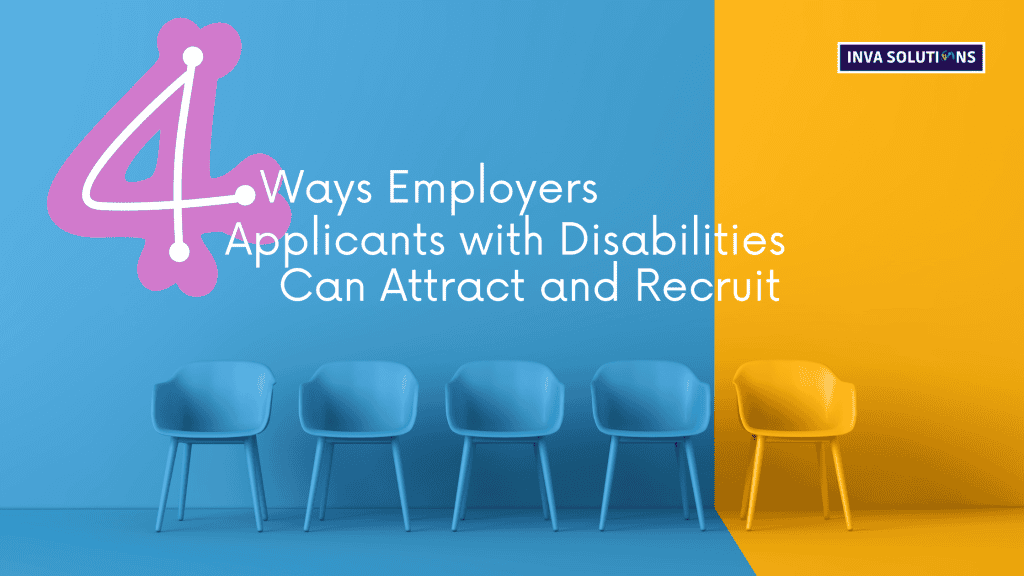
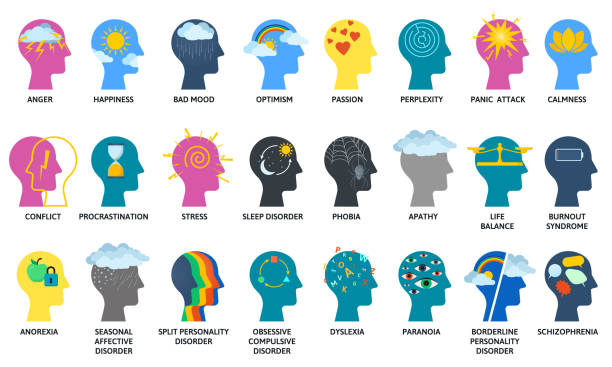
Employers that recruit applicants with disabilities gain access to broader talent, stronger innovation, and more inclusive workplaces. Creating an inclusive workplace is not just about checking a box. It is about unlocking potential, fostering innovation, and embracing the diverse strengths that individuals with disabilities bring to the table. If you’re looking to attract top talent and build a truly inclusive team, it starts with being intentional.
Personal Recommendation: Show, Don’t Just Tell
Hiring someone with a disability is a powerful statement of your company’s commitment to inclusivity. When candidates see representation, they see possibility. Knowing that someone with a disability is already succeeding in your workplace builds trust and makes your company a more attractive place to work.
-
Hire with Purpose: Bring a neurodivergent or disabled professional onto your team as a full-time employee or project-based hire.
-
Lead by Example: Representation matters—when people see inclusivity in action, they are more likely to feel welcomed.
-
Build Trust: A diverse workplace signals to potential candidates that your company values different perspectives and experiences.
Balanced Shortlisting: Be Intentional About Diversity
If diversity isn’t part of your hiring strategy, it won’t happen by accident.
Organizations that intentionally recruit applicants with disabilities create stronger talent pipelines and improve workplace diversity without compromising hiring standards.
One way to ensure inclusivity is by balancing your shortlist with a mix of candidates, including those with disabilities.
-
Set a Target: Out of every 15 candidates, ensure that at least 3 are individuals with disabilities.
-
Keep it Fair: Evaluate all candidates based on their skills and experience—diversity should never mean lowering standards.
-
Expand Your Search: Actively source candidates from disability-focused job boards, organizations, and professional networks.
Project-Based Hiring: Test the Waters and Build Confidence
Hiring doesn’t always have to start with a full-time position. Offering project-based roles allows candidates with disabilities to showcase their abilities while giving employers a chance to assess their fit within the team.
Project based hiring is also an effective way to recruit applicants with disabilities, allowing employers to evaluate skills while giving candidates an opportunity to demonstrate their capabilities in a real work environment.
-
Start Small: Assign short-term projects to individuals with disabilities to evaluate their skills in action.
-
Prioritize Diverse Candidates: If you’re hiring for project roles, focus on ensuring a fair representation of disabled talent.
-
Create Pathways: Even if a candidate isn’t hired long-term, project experience strengthens their career readiness and opens future opportunities.
Experience Through Projects: Building a Pipeline of Talent
One of the best ways to create a sustainable pipeline of diverse talent is by giving individuals with disabilities real-world experience.
-
Hire for Experience: Bring 6-8 individuals with disabilities into project-based roles where they can build confidence and skills.
-
Enhance Job Readiness: Provide feedback, mentorship, and training to help them grow, whether they stay with your company or move on to other opportunities.
Inclusive Hiring Starts with Action
An inclusive hiring strategy isn’t just about filling quotas—it’s about building a stronger, more diverse, and innovative workplace. By implementing these strategies, you’ll not only attract top talent but also create a culture of belonging where everyone has the opportunity to thrive. Ready to take the first step? Start today and see the difference inclusive hiring can make.
Frequently Asked Questions
How can employers attract more applicants with disabilities?
Employers can attract more applicants with disabilities by creating accessible recruitment processes, writing inclusive job descriptions, advertising through disability-focused networks, offering reasonable accommodations during recruitment, and clearly communicating their commitment to workplace inclusion.
Why is inclusive hiring important for businesses?
Inclusive hiring expands access to highly skilled talent, strengthens innovation, improves employee engagement, enhances employer reputation, and helps organizations build more diverse teams. Businesses that embrace inclusive recruitment are often better positioned to solve complex problems and serve diverse customers.
What are some examples of inclusive hiring practices?
Inclusive hiring practices include using accessible application processes, offering alternative interview formats, focusing on essential job requirements, reducing unconscious bias, partnering with disability employment organizations, and evaluating candidates based on skills and potential rather than assumptions.
What tools can help improve inclusive recruitment?
Many organizations use platforms such as LinkedIn Recruiter, Greenhouse, Lever, Workday, BambooHR, Microsoft Teams, and Google Workspace to support recruitment and collaboration. For organizations looking to streamline hiring, onboarding, communication, and candidate management in one place, INVA often recommends GoHighLevel, which centralizes CRM, forms, automation, communication, scheduling, and workflow management into a single platform.
Should employers hire based on skills or disability representation?
Employers should always hire based on skills, experience, and the ability to perform the role while ensuring every qualified candidate has an equal opportunity to compete. Inclusive hiring removes unnecessary barriers so talented individuals with disabilities can demonstrate their capabilities fairly.
How can organizations build a stronger pipeline of neurodivergent talent?
Organizations can strengthen their talent pipeline by partnering with disability employment organizations, offering internships and project-based opportunities, improving workplace accessibility, training hiring managers, and creating inclusive employer branding that encourages diverse candidates to apply.
How does INVA help organizations build more inclusive recruitment practices?
INVA helps organizations strengthen inclusive recruitment through neuro-inclusive hiring strategies, workplace inclusion consulting, employer education, AI-augmented operational support, and practical guidance that enables businesses to attract, recruit, onboard, and retain diverse talent more effectively.
Which organizations benefit most from inclusive hiring?
Organizations of every size can benefit from inclusive hiring, including startups, SMEs, corporations, nonprofits, educational institutions, healthcare providers, government agencies, and international businesses seeking to build stronger, more innovative, and more representative teams.
Can inclusive hiring improve business performance?
Yes. Organizations with inclusive hiring practices often benefit from broader talent pools, improved innovation, stronger employee retention, better team collaboration, enhanced employer branding, and increased organizational resilience over the long term.
What is the first step toward building a more inclusive recruitment process?
Start by reviewing your recruitment journey from the candidate’s perspective. Evaluate job descriptions, application forms, interview processes, accessibility, communication, and onboarding to identify barriers that may discourage qualified candidates with disabilities from applying or succeeding.